Australia
 New Zealand
 Singapore
 Hong Kong
 Malaysia
 Philippines
 Thailand
 Indonesia

Are you planning to start a career in WordPress development? Gain the know-how to craft themes, design plugins, and optimize site performance and security. Dive into our comprehensive guide for actionable steps and expert advice that tackles your development challenges head-on, equipping you to develop WordPress sites with skill and confidence.
WordPress Development Fundamentals
At the heart of every WordPress website is its architecture. The architecture of WordPress is reliant on the core files and folders that dictate the visual, functional, and security elements of a site. As a WordPress developer, understanding these components is fundamental in facilitating site development. These core components include:
- Template files
- Style sheet files
- JavaScript files
- Image files
- functions.php
- Header
- Sidebar/menu
They determine the visual and interactive aspects of a WordPress site, playing a crucial role in web design, site customization, and management.
Along with a solid understanding of WordPress architecture, proficiency in essential web technologies is indispensable for WordPress development. As a web developer, you should be proficient in the following languages, which form the bedrock of WordPress development:
- PHP
- MySQL
- HTML
- CSS
- JavaScript
These languages enable you to create, customize, and maintain WordPress sites, making them indispensable tools in your web development toolkit.
Understanding WordPress Architecture
The architecture of WordPress is akin to a well-structured blueprint. Template files, style sheet files, JavaScript files, image files, and other files such as functions.php form its core components. Additionally, the Dashboard, Gutenberg, Posts & Pages, Media Library, Comments System, Themes, Plugins, and User Roles form the fundamental elements of WordPress. It’s this understanding of WordPress architecture that separates the best WordPress developers from the rest.
In WordPress theme structure, template files play a crucial role. They are responsible for generating web pages and are typically located in the root directory, with assets such as JavaScript, CSS, and images housed in separate directories. Understanding this structure is crucial for website development.
Plugins, on the other hand, expand the functionality of the website, augmenting existing features, enhancing SEO, or integrating custom functionalities. They integrate seamlessly with WordPress core and other plugins, thanks to well-organized code.
Key Web Technologies for WordPress Development
HTML, one of the fundamental web technologies, forms the foundation for presenting content on a WordPress website. It is responsible for content generation and formatting, which is essential for creating visually appealing and functional WordPress themes.
CSS, on the other hand, allows customization of the website’s presentation, such as:
- Layout
- Colors
- Fonts
- Other visual aspects
It offers a wide range of layout options and styles, making it a key player in WordPress theme development.
JavaScript, another essential technology in WordPress development, can interact with WordPress in several ways. It can:
- Utilize a JavaScript WordPress plugin
- Employ WordPress hooks and functions within the template files
- Create custom themes with unique features and interactivity.
Mastering these web technologies is not only crucial for creating and maintaining WordPress websites but also plays a significant role in digital marketing, as a well-designed and optimized website can greatly impact online visibility and user engagement.
Custom Theme Development

Moving beyond the basics, let’s delve into the world of custom theme development. Designing a unique, custom theme allows you to create a distinctive aesthetic and functionality for your website or blog. HTML and CSS are the building blocks of WordPress themes, with HTML defining the structural framework of the theme and CSS tailoring the theme’s visual presentation and design. Custom theme development also involves the use of child themes, which allow modifications to an existing theme without directly altering its code.
The process of creating a custom theme can be greatly facilitated by using a range of software tools. Some excellent tools for designing a WordPress theme are:
- Ultimatum
- SeedProd
- Beaver Builder
- Elementor Pro
- Visual Composer Website Builder
- Divi
- Beaver Builder
By combining these tools with a deep understanding of WordPress architecture and web technologies, you can create a unique and engaging web presence.
Designing a Custom Theme
Designing a custom WordPress theme is much like painting a canvas - it requires a clear vision, careful planning, and an understanding of the tools at your disposal. The first step is to ensure that your theme aligns with your branding, addresses potential bugs found in pre-made themes, aligns with organizational objectives, and ensures compatibility with WordPress.
Typography is a key aspect of theme design. Here are some best practices for typography in WordPress theme design:
- Prioritize readability when selecting typography
- Minimize the use of styles like bold and italics
- Utilize heading tags in a proper manner
- Take into account contrast and color
- Establish a clear hierarchy
By following these practices, you can create a visually appealing and user-friendly WordPress theme.
Similarly, when choosing a color scheme for a custom WordPress theme, it is advisable to select at least two colors that effectively represent your brand and encourage the desired response from site visitors.
Implementing Your Custom Theme
Once your theme design is in place, it’s time to implement it. This involves adhering to WordPress Coding Standards, which are designed to establish a foundation for collaboration and review throughout the WordPress development process. Child themes play a crucial role in the implementation of a custom theme. They allow you to make modifications to the design, layout, and functionality of the parent theme while retaining the ability to update the parent theme without compromising the customizations.
So, how do you utilize child themes when implementing a custom theme? It involves the following steps:
- Create a child theme folder.
- Develop a style.css file.
- Install and activate the child theme.
- Upload the child theme file through the WordPress dashboard by navigating to Appearance > Themes > Upload Theme.
By understanding and implementing these concepts, you’ll be well on your way to creating captivating and functional WordPress sites.
Plugin Development

Plugins are the lifeblood of WordPress. They enhance the functionality of a WordPress site without necessitating alterations to the core WordPress structure, introducing supplementary features and capabilities that enhance website performance, design, SEO, security, and other aspects.
The typical structure of a WordPress plugin involves placing the main plugin file in the root folder of the plugin, and organizing all other files into subfolders whenever possible. Understanding these basics is the first step towards creating your own plugin.
Plugins interact with the WordPress core through hooks, which are PHP code snippets that enable the plugin to engage with core functionalities or make modifications at specific locations. This interaction is what allows plugins to:
- Extend the functionality of WordPress
- Add new features and capabilities
- Customize the appearance and behavior of a website
- Improve performance and security
- Integrate with third-party services and APIs
This makes WordPress a versatile platform for web development.
Plugin Basics
Plugins serve as software components that enhance the functionality of a WordPress website. They allow users to expand their website’s capabilities without the necessity of coding. They come in various categories, including:
- SMTP Mail plugins
- Sitemap plugins
- Security plugins
- WordPress backup plugins
- And many more
Each offering unique functionalities.
The structure of a WordPress plugin is straightforward. It involves organizing files into subfolders and maintaining a clear folder structure, which adheres to best practices for ensuring future maintainability and readability of the plugin’s code.
Installing and activating a WordPress plugin involves using your website’s dashboard to either search for and install plugins directly, or upload a plugin zip file from your computer.
Developing Your Own Plugin
When it comes to developing a custom plugin, the first steps involve:
- Creating a new folder in a suitable location on your computer and giving it a name.
- Creating a PHP file within this folder, including the necessary header information.
- Incorporating hooks such as register_activation_hook(), register_deactivation_hook(), and register_uninstall_hook(). These are vital for expanding the capabilities of WordPress and are fundamental to the framework and functionality of the plugin.
Regular updates of your plugin, thorough testing across multiple WordPress versions, and resolution of any compatibility issues that may surface are key to guaranteeing compatibility with different versions of WordPress. Utilizing tools such as WP Debugging or Debug plugins, which allow for the identification and resolution of any errors within the plugin’s code, is crucial in the WordPress plugin development process to guarantee the proper functionality of the plugin.
Optimizing WordPress Performance
Performance optimization is a vital aspect of WordPress development. Caching enhances WordPress site performance by storing frequently accessed data in a cache, thereby reducing server load, improving response time, and enhancing overall speed and performance. Effective caching strategies for enhancing WordPress performance involve the utilization of cache plugins such as WP Rocket or WP Super Cache, as well as leveraging services like Redis and Memcached to store data in memory and minimize database queries.
Another key aspect of performance optimization is image optimization. It preserves image quality while decreasing file size, leading to:
- Improved website speed
- Enhanced SEO rankings
- Increased conversion rates
- A better user experience
Image optimization enhances the user experience by facilitating faster loading times and improving the overall performance of the website.
Caching Techniques
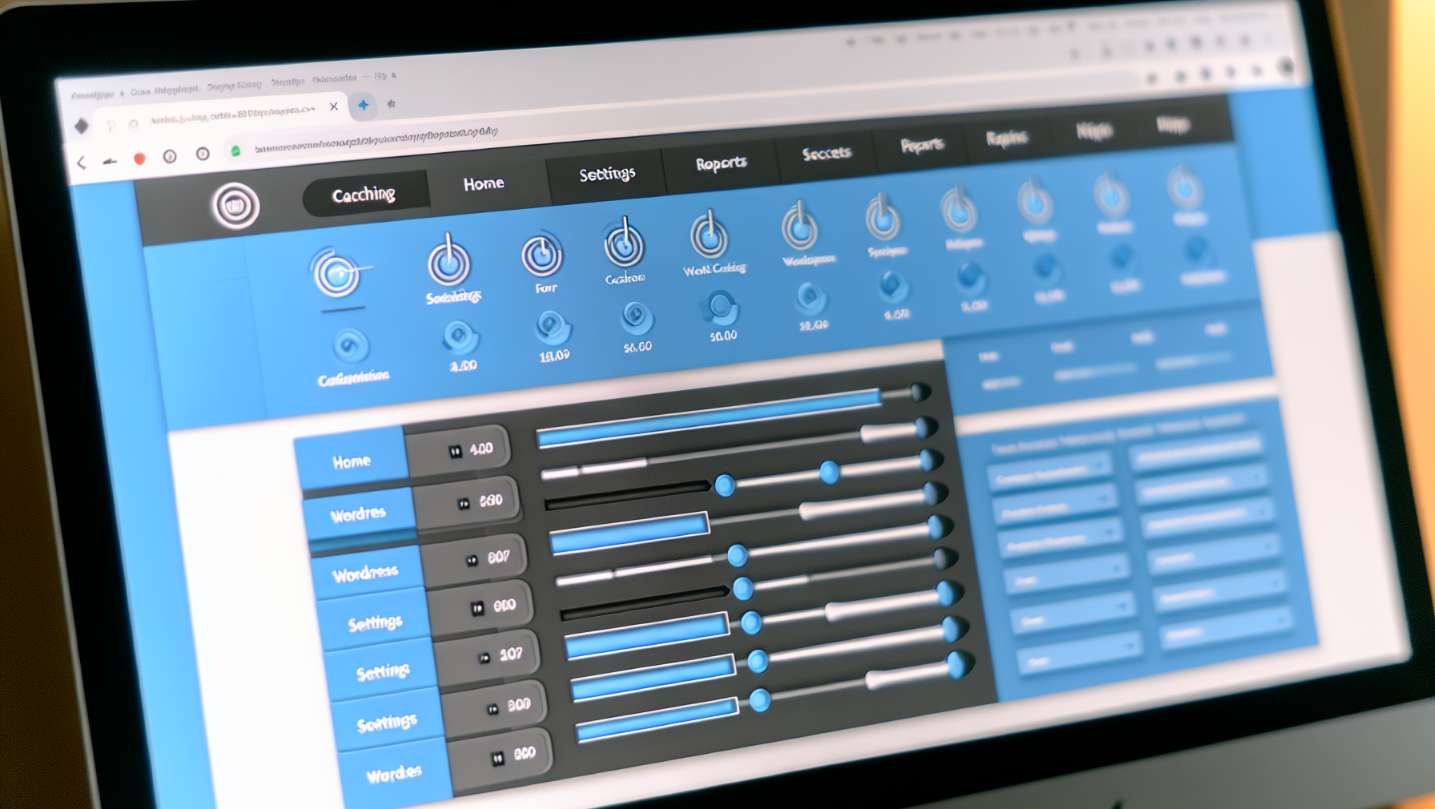
Caching involves the storage of dynamic files as static files, resulting in enhanced speed and performance for a WordPress website. It is considered the most efficient method for improving performance. There are various caching techniques utilized in WordPress, including:
- Database caching
- Object caching
- Site cache (page caching)
- Browser cache
- Server cache
Browser caching entails the storage of a website’s static files in the visitor’s browser, enabling swift retrieval from the browser rather than the server. It can be activated through the Performance settings in WordPress or manually configured by editing the .htaccess file.
Server caching, on the other hand, enhances WordPress performance by caching static content, alleviating server load, and boosting website speed. It enables the server to expedite the delivery of static content, eliminating the need to generate it from scratch for each request, thereby leading to accelerated page load times and overall performance enhancement.
Object caching can be implemented by using plugins and configuring the settings as per your requirements.
Image Optimization

Images play a significant role in enhancing the visual appeal of a WordPress site. However, large image files can slow down your site, negatively affecting user experience and SEO. Image optimization plays a crucial role in preserving image quality while decreasing file size, leading to:
- Improved website speed
- Enhanced SEO rankings
- Increased conversion rates
- A better user experience.
There are several image optimization plugins available for WordPress, including:
- Smush
- Optimus
- EWWW Image Optimizer
- ShortPixel
- Optimole
- Imagify
These plugins not only help to reduce the size of your images without compromising quality but also automate the process, saving you time and effort. By optimizing your images, you can significantly improve your site’s loading time, providing a better user experience and improving your site’s SEO.
Security Best Practices
While WordPress is a secure platform, it is not immune to potential threats. This is where implementing security best practices comes into play. They serve to safeguard the site from potential compromise, mitigating the likelihood of unauthorized access and attacks, thereby upholding the confidentiality and integrity of the site’s content and user data. Some security best practices for WordPress include:
- Enabling a Web Application Firewall (WAF)
- Implementing secure login procedures
- Maintaining the latest versions of themes, plugins, and WordPress
- Utilizing secure wp-admin login credentials
- Employing strong passwords
- Restricting login attempts
- Incorporating a security plugin
By following these best practices, you can enhance the security of your WordPress site.
Regular site maintenance plays a crucial role in enhancing security by:
- Ensuring that the core, themes, and plugins are regularly updated
- Backing up the website
- Monitoring security
- Optimizing performance
This proactive approach reduces the risk of security breaches and ensures that the site is equipped with the latest security measures.
Securing Your WordPress Site
Securing your WordPress site is like building a fortress. It involves safeguarding your site against prevalent threats and vulnerabilities like:
- Weak passwords
- Outdated software, plugins, and themes
- The presence of malicious redirects
- Drive-by downloads
- Backdoor attacks
Security plugins like Sucuri Security, Wordfence Security, MalCare, All-In-One WP Security, and iThemes Security Pro can provide a comprehensive security solution for your WordPress site.
SQL injections, where an attacker uses a URL parameter to manipulate your database, pose a significant threat to WordPress sites. To safeguard your WordPress site against SQL injections, it is advisable to implement input validation and user data filtering, deploy a web application firewall (WAF), and consistently update WordPress to the latest version.
Enhancing the security of a WordPress admin panel involves:
- Using a website application firewall
- Password protecting the admin directory
- Utilizing strong passwords
- Employing two-step authentication
- Limiting login attempts
- Disabling file editing
- Keeping WordPress updated
- Choosing secure hosting
- Implementing an SSL certificate
- Regularly backing up your website
- Monitoring your site.
Regular Site Maintenance
Regular site maintenance for your WordPress site includes:
- Creating a complete backup of the website
- Keeping WordPress core, themes, and plugins updated
- Optimizing the WordPress database
- Checking for broken links
- Monitoring website security
- Reviewing website analytics
- Testing website performance
- Cleaning up spam comments
- Updating website content
- Checking contact forms
- Monitoring website uptime
It is recommended to update a WordPress site at least once per month, or more frequently if deemed necessary, in order to uphold optimal security and performance. There are numerous tools available for overseeing regular site maintenance on WordPress, including:
- Security plugins
- Performance optimization tools
- Code editors
- FTP clients
- Database management tools
Collaborating with Clients and Team Members
Effective collaboration is a cornerstone of successful WordPress development. Utilizing effective communication techniques is crucial in collaborating with clients and team members as they play a vital role in:
- Clarifying expectations
- Resolving ambiguities
- Facilitating idea and feedback exchange
- Maintaining a productive work environment
Moreover, the selection of project leaders and appropriate tools can improve communication in a WordPress development project, enhancing coordination among team members.
Project management tools can be utilized in WordPress development to:
- Optimize project workflow
- Assign tasks efficiently
- Centralize communication
- Foster team cohesion
These tools aid in overseeing the project timeline, ensuring uniformity in understanding, and simplifying progress tracking and information sharing.
Communication Techniques
Communication is the bridge between confusion and clarity. In WordPress web development projects, there can be several communication obstacles like:
- Security vulnerabilities
- Slow performance
- Unclear requirements
- Inadequate documentation
- Lack of regular communication
By establishing clear communication channels and setting expectations, these hurdles can be overcome, ensuring that all project stakeholders have a shared understanding and agreement on project deliverables, timelines, and responsibilities.
Project management tools, like Trello, in combination with WordPress-specific project management plugins, play a crucial role in promoting collaboration. They offer a collaborative platform for development teams to:
- Organize tasks
- Track progress
- Assign duties
- Communicate effectively
Regular communication with the development team fosters alignment, promotes idea sharing, updates progress, and promptly resolves issues, all of which are essential for the overall success of the project.
Project Management Tools
Project management tools are like a compass for your WordPress development journey. They guide you towards your goals, streamline your processes, and improve collaboration within your team. Monday.com, SportsPress, and WP Project Manager are among the top project management tools suitable for WordPress development.
Project management tools can be integrated into the WordPress development workflow by utilizing plugins specifically designed for this purpose. For example, leveraging project management plugins for WordPress that are compatible with Ninja Forms through Zapier enables the utilization of WordPress for content management, CRM, and project management with the appropriate tools and integrations.
The usage of these tools not only improves collaboration within the team but also ensures an efficient workflow for the entire project.
Continuous Learning and Improvement
In the ever-changing world of WordPress development, continuous learning and improvement are not just important, they’re essential. To remain current with WordPress updates, it is advisable to manually update your WordPress version, themes, and plugins through the Dashboard menu. Keeping your WordPress site regularly updated is crucial as it addresses security vulnerabilities, resolves bugs, and introduces new features or enhancements.
WordPress releases updates two to three times a year, it’s advisable to update WordPress twice a month to ensure staying current. These updates can bring about major changes, such as added PHP8 support, jQuery updates, and new block editor patterns, impacting development by improving website performance, security, usability, and accessibility. However, these updates have the potential to impact existing projects by potentially causing disruption to plugins that do not adhere to best practices and coding standards.
Staying Up-to-Date with WordPress Updates
Staying current with WordPress updates is like keeping your car serviced - it ensures everything runs smoothly and prevents potential problems down the road. It is advisable to update WordPress at least twice a month to maintain the security of your site and benefit from the latest improvements. Failing to update WordPress regularly can result in various risks such as:
- Website crashes
- Potential loss of personal or customer data
- Site defacement
- Compatibility issues with plugins or themes
- Decreased performance and speed
- Adverse effects on SEO rankings
- Potential loss of important business data
- Reduced support from online WordPress resources.
To update WordPress without jeopardizing your live site, it is recommended to follow these steps:
- Create a comprehensive backup
- Utilize a staging site to test the updates
- Update WordPress and plugins on the staging site
- Identify and resolve any issues on the staging site
- If everything appears to be in order, apply the updates to your live site
This method helps to prevent disruptions and ensures that any issues can be resolved before they impact your site’s live environment.
Expanding Your Skill Set
Continuous learning is the fuel that drives the engine of progress in WordPress development. The essential skills for advanced WordPress development encompass a range of competencies including:
- Search engine optimization (SEO)
- UX design
- Photoshop
- Programming skills
- Database management
- Communication
- Critical-thinking skills
- Learning mindset
- Empathy
- Attention to detail
- WordPress core architecture understanding
- PHP programming and debugging
- HTML5 and CSS3 proficiency
- JavaScript
Keeping abreast of the anticipated trends in WordPress development can give you an edge in the ever-evolving WordPress landscape. Some of the anticipated trends include:
- WooCommerce
- Headless CMS
- WordPress 6.1
- WordPress VIP
- Voice Search
- Parallax Scrolling
- Dark Mode
- Headless WordPress
- WordPress for SaaS
- Augmented and Virtual Reality (AR/VR)
- Enhancements in performance, block types, and customization options.
A key approach to acquiring proficiency in a new programming language for WordPress development is to concentrate on mastering:
- PHP
- HTML
- CSS
- JavaScript
There are plenty of resources available for enhancing skills in WordPress development, including books, online courses, and tutorials. If you’re looking to take your project to the next level, you might consider hiring WordPress developers.
Elevate Your WordPress Development Skills with Nexacu
Embarking on the WordPress Development journey opens up a world of possibilities. From diving into the essentials of crafting custom themes and plugins to mastering the intricacies of site optimization and security, there's a lot to learn. But you don't have to do it alone. Nexacu offers a range of courses designed specifically for aspiring WordPress developers who want to sharpen their skills and stay ahead of the curve.
Whether you're a seasoned pro looking to upgrade your toolkit or you're just starting out in the WordPress sphere, Nexacu's expert-led training sessions can help you gain the proficiency you need to build and maintain cutting-edge WordPress sites. With Nexacu, you can ensure your websites not only perform seamlessly but also stand out in the digital landscape. Embrace the full potential of WordPress and transform your web development career with Nexacu today.
Frequently Asked Questions
Is WordPress easy for developers?
Yes, WordPress is considered easy for developers due to its flexibility and low barrier of entry for web developers of all skill levels.
Is coding required for WordPress?
While basic WordPress websites don't require coding, professional websites may need some coding for completion.
Can I build a WordPress website myself?
Yes, you can definitely build a WordPress website yourself. Simply choose a WordPress plan, set up your domain and hosting, install WordPress, customize your theme, add content, and optimize for better performance. Building a website with WordPress is accessible to anyone, and there are various resources available to guide you through the process.
How to develop a WordPress?
To develop a WordPress website, start by getting web hosting and a domain name. Then, install a WordPress theme, and plugins, and configure settings. Create pages, set up your menu, and write your first blog post, if desired. Finally, go live!
What are the fundamentals of WordPress development?
To excel in WordPress development, it's essential to grasp WordPress architecture and master key web technologies like PHP, MySQL, HTML, CSS, and JavaScript.