Australia
 New Zealand
 Singapore
 Hong Kong
 Malaysia
 Philippines
 Thailand
 Indonesia
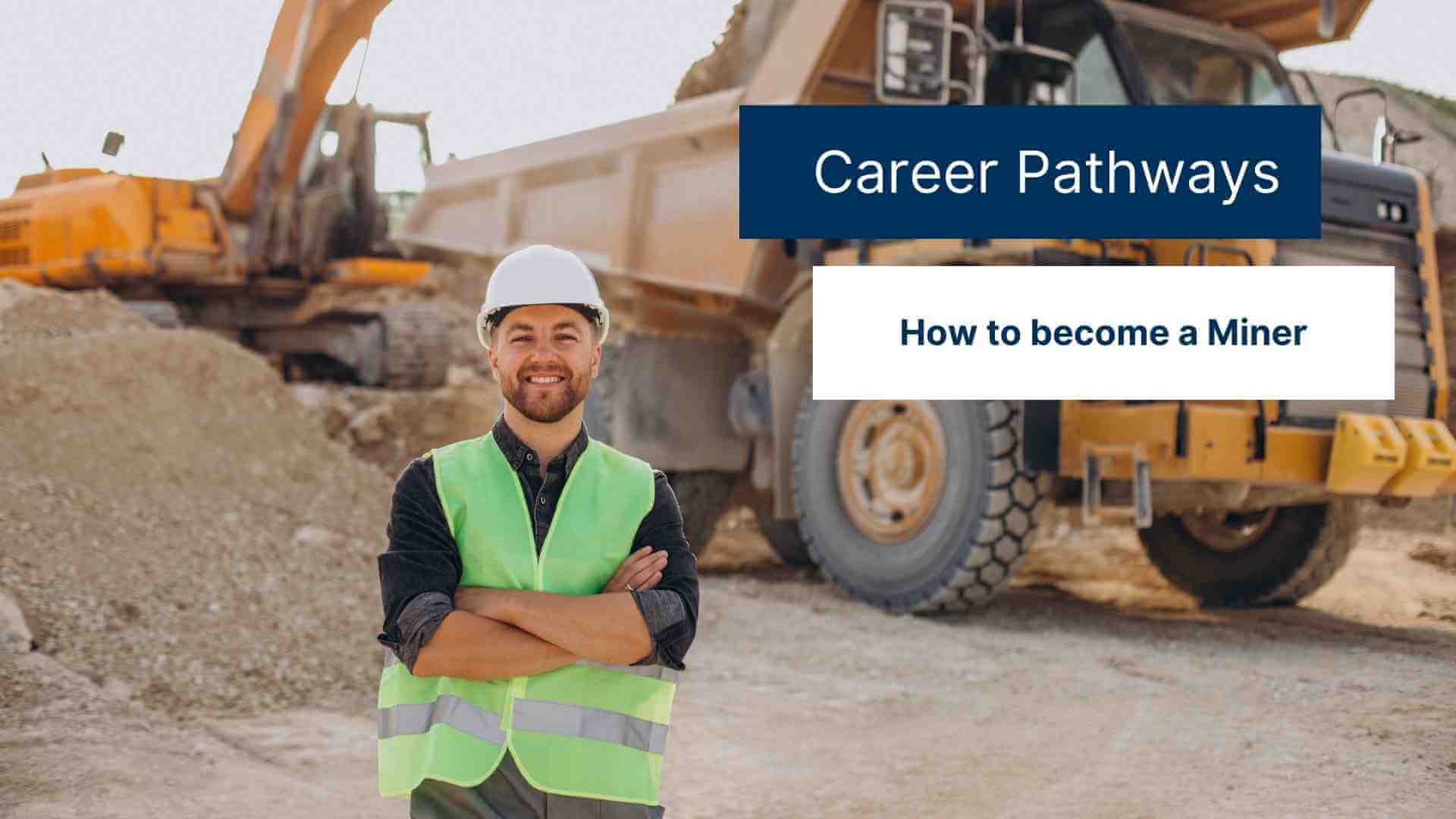
The Job of a Miner
The role of a miner is to extract natural resources, such as coal, oil, and precious stones from the earth. The daily tasks of a miner may include drilling, operating heavy equipment, and transporting the extracted resources to shipping destinations. In order to succeed in this profession, a miner must possess a combination of hard and soft skills, including the ability to operate heavy machinery, read and analyze geologic data, communicate effectively, and solve problems.
The mining sector plays a crucial role in Australia's economy and has been a major contributor to its growth and development over the years. The country is known for its rich resources, including coal, minerals, and gold which are extensively mined and exported all across the globe.
Historically, miners work in challenging conditions; truth be told, it's a tough job. Therefore, it's important to know what it takes to become a miner before deciding if this career path is right for you.
Nowadays, Australian mining companies have automated many of their processes which helps make mining jobs a bit easier. And because of this automation, some miners now work machine-operating jobs, making it safer than before.
In this article, we answer many questions intending miners may have, such as the duties and tasks of a miner, the salary of a miner, the requirements of the job, employment opportunities, and many more.
Let's dig in!
Becoming a Miner
Mining is a physically and mentally demanding profession that requires workers to spend long hours underground in challenging conditions. The work is often dirty, dark, and dangerous, and requires a high level of skill, knowledge, and experience to be done safely and effectively. Miners are responsible for extracting valuable minerals and resources from deep within the earth, and must have a solid understanding of geology, engineering, and technology to do their job well.
To become a miner, you need to meet certain requirements and acquire the necessary education and training. Although a university degree is not always a requirement for the job, miners must have a strong foundation of knowledge in related fields to be successful.
Personal requirements for a Miner
Mining jobs are physically demanding and often require extended periods of time away from home. Prospective miners should see if they have the right skills and personal requirements to succeed in this field.
The following is a list of personal requirements for a miner:
- Good understanding of safety procedures and being willing to follow occupational health and safety regulations
- A miner should be physically fit
- Should have good hand/eye coordination and dexterity
- Take pleasure in practical and manual tasks
- Be able to use mechanical equipment
- A miner must be able to endure physically taxing jobs, such as shift work
- Must meet the minimum age requirement.
Education and training
There are no formal education requirements for becoming a miner; however, a high school diploma is usually required.
Furthermore, you will need to go through a 12 to 24-month training or apprenticeship in a mining company to stand a chance of being considered, as most companies usually require ten years of experience when employing miners.
The mining industry in Australia
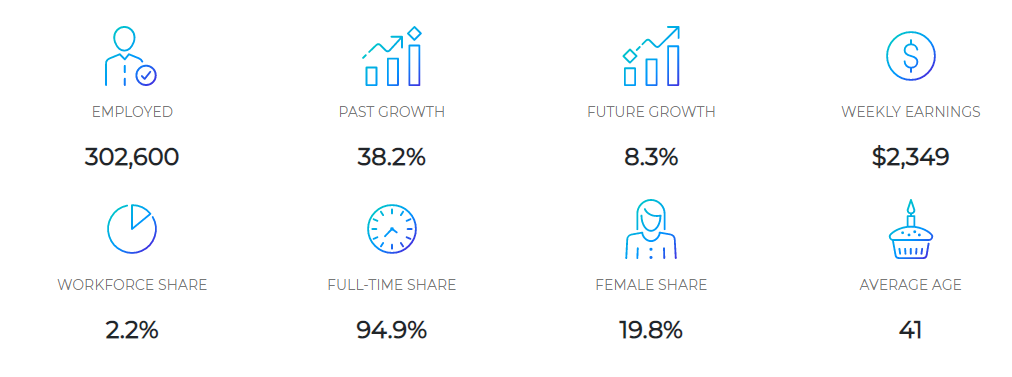
The mining sector holds a prominent place in the economy of Australia and is a significant contributor to the country's exports. As of August 3, 2022, data on the Reserve Bank of Australia's website shows that the mining sector is responsible for 11.5% of the country's GDP. The industry employs around 2.2% of the country's workforce (302,600 people).
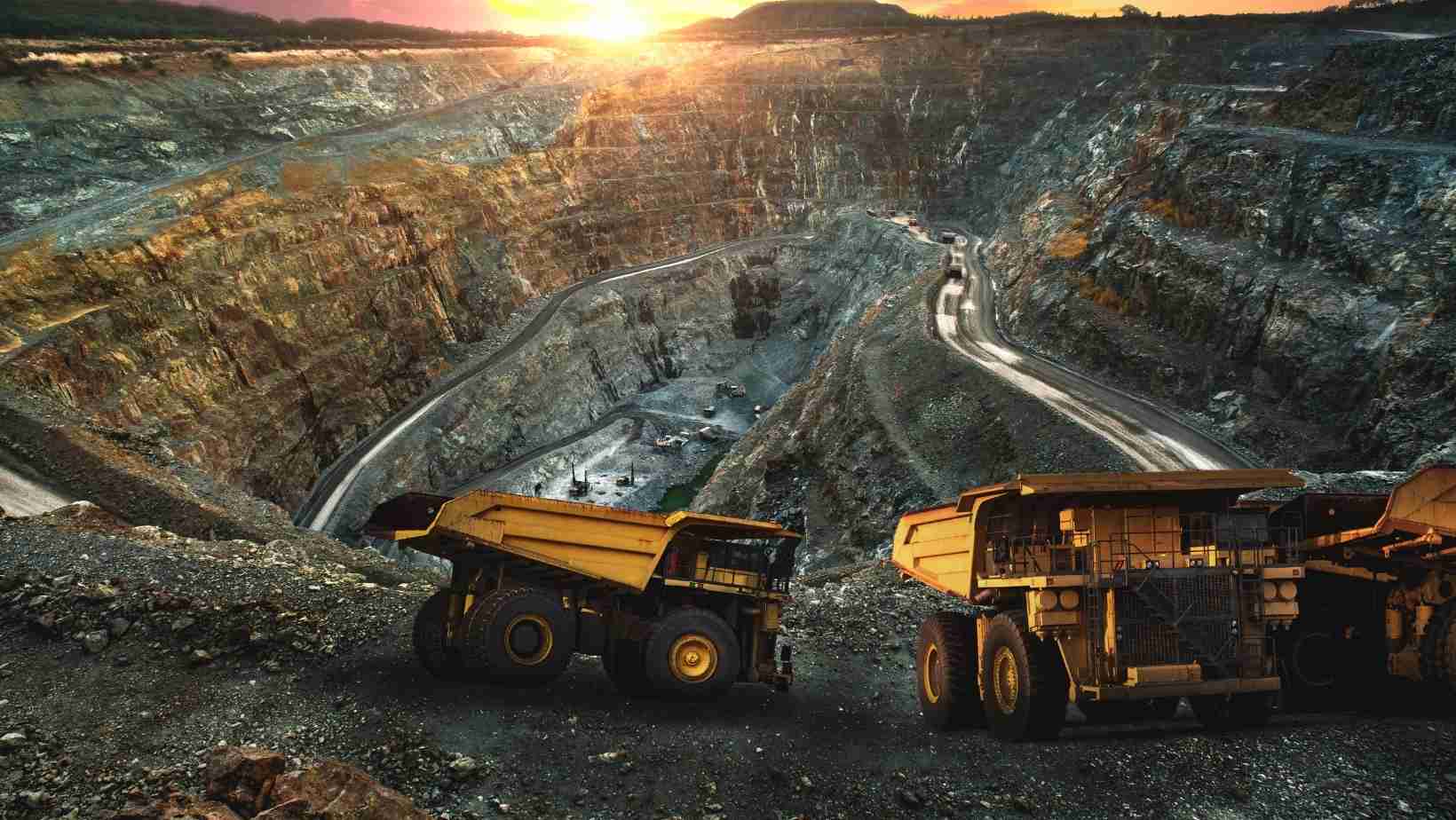
Australia has a rich mineral resource base, which includes coal, iron ore, aluminum ore, zinc, gold, tantalum, and uranium. The mining sector is also one of the most significant contributors to Australian exports, accounting for around 75%, valued at over 200 billion dollars.
The Miner job characteristics
The typical job of a miner is to extract natural resources such as coal, oil, and precious stones from the earth. The job characteristics of a miner are highly dependent on their level of training, experience, and chosen field of expertise. Their responsibilities are based on maintaining mine safety whilst working with elements underground to extract natural resources and convey them to the surface.
Let's take a look at the everyday daily duties and tasks of a miner:
Tasks and Duties of a Miner
- Drilling into ore bodies to mine for ore, coal, and precious stones in an underground setting
- Assist in the building of a shaft
- Providing infrastructure in shafts
- Running cables and other tubes into a shaft
- Operate explosives to break up large groups of ore and rocks
- Noting and reporting potential health and safety hazards
- Loading the extracted natural resources into mine carts and transporting these resources from one location to another.
- Transporting the natural resources (ore, coal, and rocks) to designated shipping destinations above ground
- Operate earthmoving equipment such as bulldozers, drillers, etc.
What skills does a Miner need?
The miner position requires a person responsible for exploring and eventually extracting minerals from ore deposits. For miners to extract these minerals, they need to be able to read, interpret and analyze geologic data such as maps and reports, and this requires some data analysis knowledge.
The two types of skills needed by miners are hard and soft skills.
Hard skills include the ability to operate heavy equipment, conveyor belts, safety rules, etc. Soft skills include communication, problem-solving, team management, and leadership.
Read more: How to become a Data Visualisation Analyst.
Working conditions
Miners work in dusty, hot, and noisy conditions, often on the surface or underground in a mining site. They work as part of a team and require very little supervision.
Their work is physical and laborious, and they are often long hours that require the use of physical tools like drills, bulldozers, explosives, and shovels. Mines are usually based in remote areas, and miners must frequently travel because they have to access different parts of the mine at various times during their shifts.
Typically, miners work for several weeks and then return to the base. After a short break, they return to the mining site.
Employment opportunities
Mining jobs are often located in remote regions, and employment opportunities fluctuate depending on the activity level in the specific natural resources sector.
Contrary to public belief, the mining industry is still growing yearly, with many opportunities for people interested in this field to find jobs in mining companies.
Coal, iron ore, and gold mining are the leading sectors in the mining industry.
Specializations
The mining industry is a highly specialized field requiring various skills, training, and certifications.
Mining jobs differ but are categorized into two types:
- Surface mining jobs
- Underground mining jobs
If you are considering a mining career, it is essential to note that both types of mining jobs require specific skill sets and proper training.
Underground Miner
Underground miners, as the name implies, work underground in coal mines, metal mines, and other types of mining sites.
They perform many duties, such as maintaining the ongoing structure of the mine and extracting resources. Most underground mines are located in remote areas and miners work in very physically demanding environments.
Open cut Miner
Open-cut miners work on the surface, and their job is less dangerous than underground miners.
Open-cut miners, also called open pit miners, work in mines where the natural resource deposits occur near the surface and when they are shallow enough to be reached by drilling and blasting.
Open-cut miners are responsible for getting the raw material out of the ground, which is done using pneumatic hammers, drilling, and blasting, or with machines like heavy-duty trucks.
Driller's assistant
A driller's assistant is responsible for assisting the driller on site or in the office with administrative tasks, such as data entry, records management, and reporting. Therefore, a driller assistant would need to be knowledgeable in data administration.
Driller's assistant jobs are typically entry-level positions with a few years of experience necessary to be competitive. Prospective driller assistants need to be able to work in a team-oriented environment.
Duties and responsibilities typical for this position include:
- Working as part of the driller's crew in drilling and fracking operations
- Maintaining equipment such as wellheads, valves, heads, pumps, and other equipment
- Helping with logging and record-keeping duties
- Signing off on work completed to meet company standards
Mine shift supervisor
Mine shift supervisors supervise, plan, and coordinate miners' work on the mine floor. They ensure that all safety rules are adhered to and that all tasks are completed according to schedule.
They are in charge of the shift and mining processes. They can assign tasks to other co-workers, provide guidance and negotiate with management on behalf of miners.
Many mine shift supervisors can begin their careers as project managers.
Miner
Miners are responsible for excavating, loading, and transporting coal, ore, mineral sand, rock, or any natural resources extracted in the mining site, whether underground or in open-cut mines.
Salary
Miners are mainly employed full-time and earn an average salary of $100,710 annually in Australia as of July 2022, according to Glassdoor.

Job Outlook
According to labor market insights, mining jobs are on the rise with an expected growth projection of 5.9% over the next four years to 2026.
How to become a Miner
Becoming a miner in Australia requires some formal training. Here are some steps to consider.
Education and training
The education and training you need will depend on the type of mine and the position you want to work in. You can become a miner by getting vocational education in mining and drilling.
You may also need to learn computer languages such as R, which is useful in the mining sector.
Qualifications such as Certificate II and III in surface extraction operations or a related area can help strengthen your chances of getting a job as a miner.
Also, some degrees and classes such as mining engineering, mine strategy, basic minerals, mining sustainability, safety courses, and environmental and social considerations can help you get a job in the mining sector.
You may also need heavy-duty vehicle licenses, security, and medical clearances.
Apprenticeships and traineeships
Before becoming a miner, you need a sound technical background, so you must go through a 12 to 24-month training or apprenticeship, which must be approved by the Mine Safety and Health Administration.
Your apprenticeship will either be in the level 2 or level 3 Surface mining operations or the level 2 or level 3 underground mining operations.
Getting training, certifications, and a minimum of a 12-month apprenticeship is an essential process to go through to become a miner.
FAQs / Resources
Why is mining important?
The mining industry in Australia is the largest export industry in the country. It accounts for 75% of the country's export revenue. The sector contributes more than AUS$200 billion to the country's GDP annually.
Furthermore, mined materials are used to build roads and buildings. They are used to make smartphones, automobiles, computers, and satellites. Moreover, people use mined materials to generate electricity and to provide many other goods and services that consumers would not have been able to enjoy without the mining industry.
Mining companies in Australia
Over 80 mining companies are operating on over 350 mining sites across Australia. BHP Group, Rio Tinto, Fortescue Metals, Newcrest Mining, and South32 are the country's top five biggest mining companies.
How to get a job in mining in Australia?
Getting a job in the mining sector can be challenging if you do not have any prior training, experience, or credentials. When applying for mining employment, you must be patient and persistent.
If you are serious about getting a mining job, here are some of the best ways to approach finding mining jobs in Australia:
- Get a qualification or experience
- Establish contacts and network with people in the mining profession
- Reach out to recruitment agencies
- Undertake relevant training courses for software such as R or Power BI
- Visit mining towns close to you
- Visit mining sites that have temporary shutdowns for upgrades, maintenance, or repairs - they usually hire people tentatively to work during shutdowns